Exploring Body Weight Regulation

Perspectives from Nutrition Research

Educational content only. No promises of outcomes.

Energy Homeostasis Basics

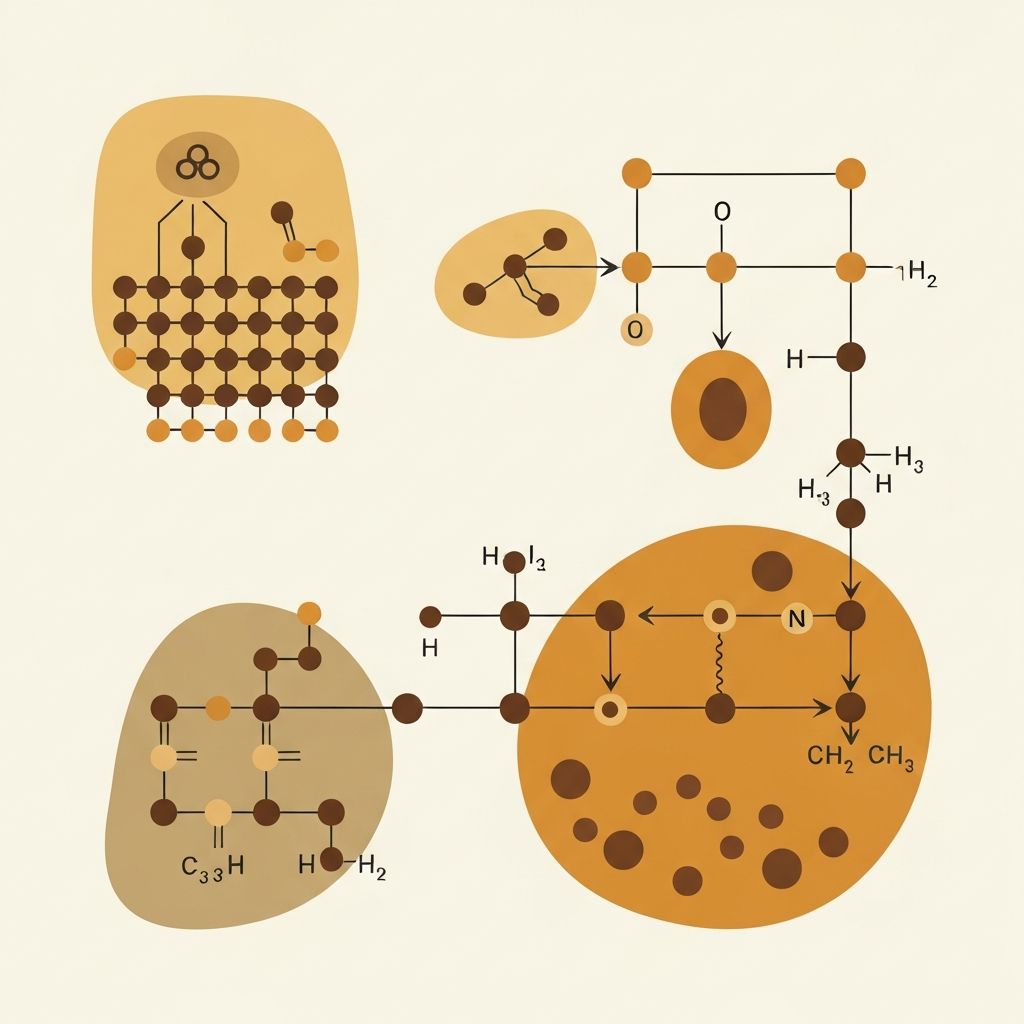
The human body maintains energy balance through intricate regulatory systems. Understanding how the body adjusts energy intake and expenditure provides foundational knowledge about metabolic processes.

Research indicates that energy homeostasis involves multiple feedback loops. The body responds to internal signals about energy stores, expenditure, and availability. These mechanisms work across various timeframes, from immediate responses to long-term adaptations.

Key concepts: Energy intake, energy expenditure, metabolic adaptation, and regulatory feedback systems represent core areas of nutritional science.

Discover more
Energy metabolism illustration

Nutrient Impact on Appetite Signals

Diverse nutrient-rich foods

Different macronutrients interact with the body's appetite regulation systems in distinct ways. Proteins, fats, and carbohydrates each influence satiety signals through various mechanisms.

Dietary composition affects hormones like ghrelin and leptin. Foods with high volume but lower energy density, adequate protein, and fiber content show associations with satiety in research literature.

The timing and composition of meals influence subsequent hunger and eating patterns. Understanding these relationships helps contextualize how food choices relate to appetite regulation.

Read the explanation

Adipose Tissue Physiology

Adipose tissue functions as more than a simple energy storage site. It is metabolically active tissue that participates in hormonal signaling and systemic energy regulation.

Fat cells produce hormones and signaling molecules that influence appetite, metabolism, and energy utilization throughout the body. The distribution and function of adipose tissue varies among individuals due to genetic, developmental, and environmental factors.

Understanding adipose tissue dynamics provides context for how body composition changes relate to metabolic health markers.

Daily Movement Patterns

Physical activity exists on a spectrum beyond structured exercise. Daily movement includes occupational activities, recreational movement, and spontaneous physical activity.

Research indicates that overall daily energy expenditure includes basal metabolic rate, thermic effect of food, exercise activity, and non-exercise activity thermogenesis (NEAT).

Patterns of movement accumulate throughout the day and contribute to total energy balance. Understanding movement as a continuous spectrum rather than isolated exercise sessions provides broader perspective on physical activity.

View the details
Person walking in nature

Rest and Recovery Role

Peaceful rest environment

Sleep and circadian rhythm patterns influence metabolic processes. Research suggests that sleep duration and quality relate to appetite regulation hormones and energy metabolism.

The body's internal circadian clock affects feeding patterns, hormone secretion, and metabolic rate. Disruptions to sleep-wake cycles show associations with altered energy balance patterns in research literature.

Rest and recovery processes contribute to overall metabolic function and energy homeostasis regulation.

Explore further

Myths vs Evidence

Common Belief Research Perspective
Carbohydrates inherently cause weight gain Weight regulation relates to total energy balance, not single macronutrients. Carbohydrate quality and quantity affect appetite and satiety differently.
Metabolism dramatically slows with age Metabolic rate decreases gradually with age, primarily due to reduced muscle mass. Physical activity and muscle maintenance moderate this decline.
Meal frequency directly affects weight Research shows meal frequency is less important than total intake and overall food choices. Individual patterns vary.
Certain foods "boost metabolism" significantly Thermic effect of food differs by macronutrient but produces modest changes. No foods dramatically increase metabolic rate.
Exercise alone produces substantial weight loss Energy balance fundamentally depends on total intake and expenditure. Exercise contributes to expenditure but interacts with compensation behaviors.
Genetics determines body weight entirely Genetic factors influence metabolic processes, but environment and behavior substantially modify outcomes. Interaction between nature and nurture is complex.

Featured Articles

Metabolic adaptation research

Understanding Metabolic Adaptation

Exploration of how the body adjusts energy expenditure in response to dietary changes and sustained energy restriction.

Read more
Healthy fat sources

Fats and Hormonal Signals

Review of the role dietary lipids play in satiety, hormone production, and metabolic function.

Read more
Whole carbohydrate sources

Carbohydrate Metabolism Basics

Explanation of how carbohydrates are processed, stored, and utilized in the body's energy systems.

Read more

Frequently Asked Questions

What does body weight regulation mean?
Body weight regulation refers to the complex biological systems that maintain relative stability in body weight over time. These systems involve energy intake, energy expenditure, and hormonal signals. While weight fluctuates naturally, the body works to maintain equilibrium around a regulated set point influenced by genetics, behavior, and environment.
How does nutrition influence energy balance?
Nutrition affects energy balance through total energy intake and nutrient-specific effects. Different foods and macronutrients influence appetite, satiety, thermic effect, and subsequent eating patterns. Dietary composition, food volume, and nutrient density all play roles in how nutrition relates to energy homeostasis.
Does metabolism really slow with age?
Metabolic rate does decline gradually with age, approximately 2-8% per decade after age 30. This decline relates primarily to loss of muscle mass and changes in body composition. Regular physical activity, particularly resistance training, can substantially moderate this decline.
What role does sleep play in weight regulation?
Sleep and circadian rhythm significantly influence appetite-regulating hormones, energy expenditure, and food intake patterns. Research indicates associations between insufficient sleep and altered appetite signals. Sleep quality and consistency appear relevant to metabolic function.
Are carbohydrates bad for weight management?
Weight management relates to total energy balance rather than specific macronutrients. Carbohydrates provide energy and different types affect satiety differently. Research shows that carbohydrate quality, quantity, and context within overall diet influence appetite and eating patterns.
How important is meal frequency?
Research suggests meal frequency is less critical than total daily intake and overall food quality. Some people feel more satisfied eating frequent small meals; others prefer fewer, larger meals. Individual preferences and satiety responses vary considerably.
Can exercise alone change body composition?
Exercise contributes to energy expenditure and can influence body composition, particularly when combined with resistance training for muscle maintenance. However, total energy balance fundamentally depends on both intake and expenditure. Exercise interacts with eating behaviors, which vary individually.
Is genetic background deterministic for body weight?
Genetic factors influence metabolism, appetite regulation, and body composition potential. However, environment, food choices, and activity levels substantially modify genetic predisposition. The interaction between genetic and environmental factors is complex; neither operates independently.
What is the basis for claims about "metabolism-boosting" foods?
Different foods produce varying thermic effects—the energy required for digestion. Protein has a higher thermic effect than fats or carbohydrates. However, these differences are relatively modest. No foods produce dramatic metabolic increases. Total caloric intake remains the dominant factor in energy balance.

Expand Your Understanding

Explore additional articles and research perspectives through our blog collection.

Discover more articles

Educational content only. No promises of outcomes.